Germany’s Automotive Industry in 2026: A New Era Begins
Germany’s automotive industry is undergoing a major transformation in 2026. BMW is advancing its Neue Klasse technology, Mercedes-Benz is expanding AI-powered software, and Volkswagen is introducing more affordable electric vehicles. Meanwhile, growing competition from China is pushing German automakers toward faster innovation.

Germany’s automotive industry has undergone major changes in 2026. BMW is expanding its Neue Klasse platform, Mercedes-Benz is focusing more heavily on software and artificial intelligence, while Volkswagen is preparing to bring more affordable electric vehicles to the market.
Germany’s Automotive Industry Is Going Through a Major Transformation in 2026
The year 2026 is not simply another year of new model launches for Germany’s automotive industry. Major manufacturers such as BMW, Mercedes-Benz and Volkswagen are facing electrification, software transformation, artificial intelligence, rising production costs and increasing competition from Chinese automotive brands at the same time.
One of the biggest changes can be seen in the electric vehicle market. According to the German Association of the Automotive Industry, VDA, 84,100 new battery-electric vehicles were registered in Germany in June 2026. This represented a 78 percent increase compared with the same month of the previous year.
Strong growth in demand for electric vehicles was also recorded earlier in the year. These figures indicate that Germany’s electric vehicle market has regained significant momentum in 2026.
Germany Is Producing Electric Vehicles at Record Levels
The transformation is not limited to vehicle sales. It is also clearly visible in German manufacturing plants. According to VDA data, approximately 1.67 million electrified passenger cars were produced in Germany in 2025.
This represented growth of around 23 percent compared with the previous year. Electrified vehicles now account for a significant share of passenger cars manufactured in Germany.
A New Era for BMW: Neue Klasse and the New BMW i3
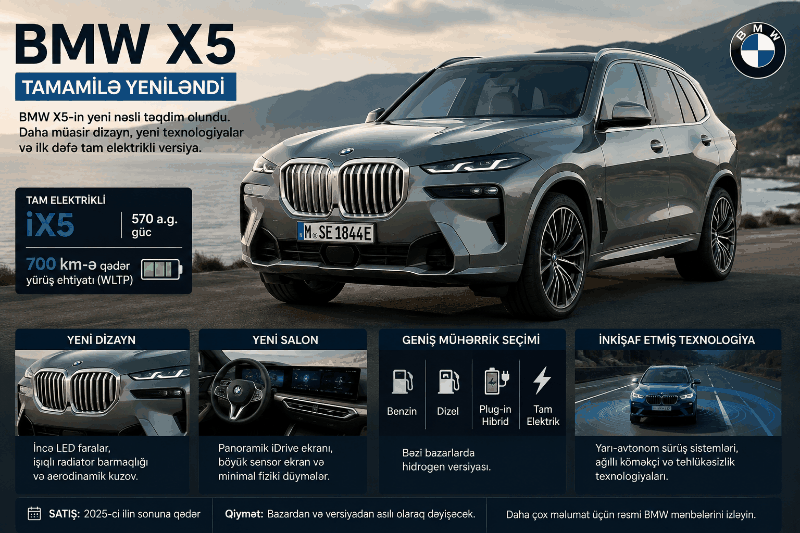
One of the most important developments in Germany’s automotive industry in 2026 is BMW’s expansion of its Neue Klasse strategy.
Neue Klasse is much more than a new vehicle platform. BMW presents it as the technological foundation for its future vehicles, combining next-generation electric powertrains, battery architecture, software, digital controls and advanced vehicle electronics.
One of the first major models based on the Neue Klasse architecture is the BMW iX3. It will be followed by the next-generation BMW i3.
The New BMW i3
According to official information from BMW, production of the new-generation BMW i3 is planned to begin in Munich in 2026.
The development also has major symbolic importance for BMW. The company’s historic Munich production facility is being transformed into one of the key manufacturing centers for BMW’s next-generation electric cars.
BMW also plans to gradually introduce Neue Klasse technologies across additional models in its lineup.
Mercedes-Benz Is Turning the Car Into a Software Platform
Mercedes-Benz is also placing greater emphasis on software and artificial intelligence in 2026, alongside the broader transition toward electrification.
One of the clearest examples of this strategy is the new Mercedes-Benz CLA.
Mercedes-Benz is introducing its MB.OS operating system and a new generation of the MBUX digital interface across its latest vehicles.
This approach reflects a wider transformation taking place across the automotive industry. In the past, a vehicle’s competitive advantages were primarily defined by its engine, transmission and mechanical engineering. Today, software, digital services, artificial intelligence and over-the-air updates are becoming some of the most important competitive factors.
Volkswagen Is Moving Toward More Affordable Electric Cars
Another major development in 2026 is Volkswagen Group’s strategy to introduce more affordable electric vehicles.
The company is developing a new family of compact electric vehicles under Volkswagen, CUPRA and Škoda, designed mainly for urban and everyday use.
One of the most important models in this strategy will be the Volkswagen ID. Polo.
According to preliminary information released by Volkswagen, the model will be available with different power outputs and battery configurations and may provide a driving range of up to approximately 450 kilometers, depending on the version.
Volkswagen’s move into a more affordable price segment could become an important step in making electric vehicles accessible to a much wider group of European buyers.
Demand for Electric Vehicles Is Increasing Across Europe
Data published by Volkswagen Group also points to rising interest in fully electric vehicles across Europe.
This growth is encouraging German automotive manufacturers to develop new strategies to compete against increasingly affordable electric vehicles produced by Chinese brands.
China Has Become One of the Biggest Challenges for Germany’s Auto Industry
One of the most serious challenges facing German car manufacturers in 2026 is the rapidly intensifying competition in the Chinese market.
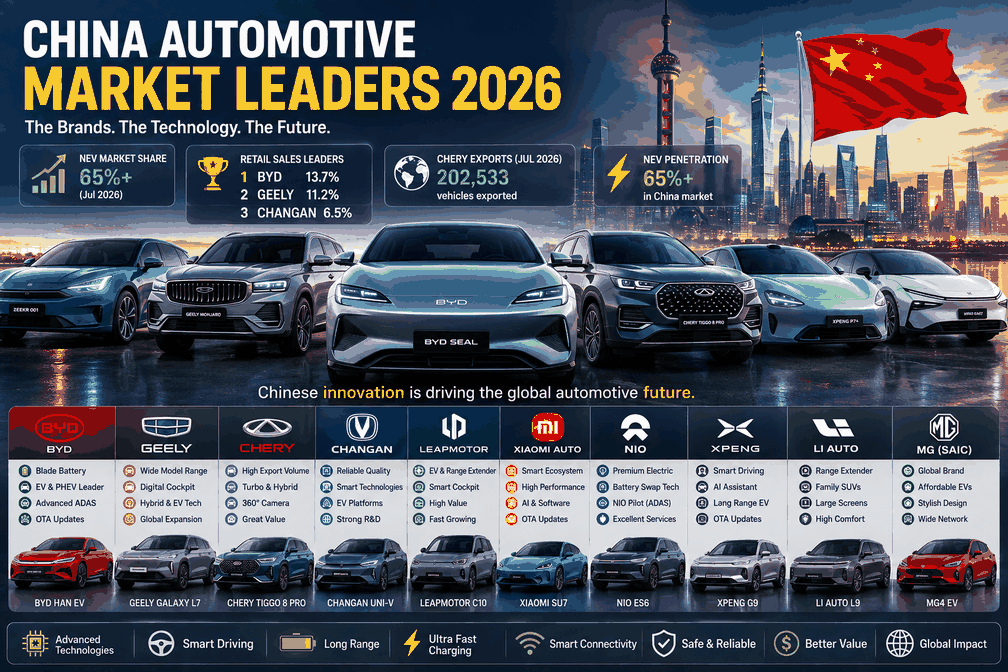
Chinese manufacturers are now major competitors in electric vehicles, battery technology, software development and vehicle pricing.
The competitive landscape in China, where German brands enjoyed a strong position for decades, is changing quickly. Local manufacturers are gaining strength through faster product development cycles, competitive pricing and lower production costs.
German Automotive Suppliers Are Also Under Pressure
The transformation is affecting more than major manufacturers such as BMW, Mercedes-Benz and Volkswagen. Germany’s large automotive supply industry is also experiencing growing pressure.
High energy and labor costs, the shift toward electric vehicles and increasing competition from Chinese companies are creating additional financial challenges for German automotive suppliers.
Some companies are postponing investments or considering moving parts of their manufacturing operations to countries with lower production costs.
Volkswagen Faces a Major Restructuring Process
Volkswagen is also implementing major changes aimed at reducing costs and improving the efficiency of its production structure.
The company is dealing with growing Chinese competition, international trade pressures and high manufacturing costs in Germany.
As a result, Germany’s transition toward electric mobility is taking place alongside a broader industrial restructuring process.
Government Support for Electric Vehicles Continues
The German government continues to support the expansion of electric mobility through various tax and economic incentives.
Extending tax benefits and other support mechanisms for electric vehicles could provide additional momentum for Germany’s EV market.
Is Germany’s Auto Industry Declining or Reinventing Itself?
Looking at the developments of 2026, it is clear that two major processes are taking place at the same time across Germany’s automotive sector.
- Electric vehicle sales are increasing.
- Electric vehicle production in Germany is expanding.
- BMW is moving toward the Neue Klasse architecture.
- Volkswagen is developing more affordable electric cars.
- Mercedes-Benz is investing more heavily in software and artificial intelligence.
- Competition from Chinese manufacturers is becoming stronger.
- Production costs in Germany remain high.
- Automotive suppliers are facing increasing financial pressure.
For this reason, 2026 should not simply be described as a year of decline for Germany’s automotive industry. It is more accurately described as a year of major transformation.
What Comes Next for Germany’s Automotive Industry After 2026?
Current developments suggest that future competition in the automotive industry will no longer be determined primarily by who produces the most powerful engine.
The new areas of competition include battery technology, energy efficiency, software, artificial intelligence, vehicle pricing and manufacturing costs.
BMW is attempting to make a technological leap with Neue Klasse, Volkswagen is working to make electric cars accessible to a wider audience, while Mercedes-Benz is turning the vehicle into an increasingly software- controlled digital platform.
At the same time, Germany’s manufacturers are facing rapidly expanding competition from China’s automotive industry.
One of the biggest conclusions of 2026 is that Germany’s traditional advantage in combustion-engine engineering is entering a new era. The main competition is now focused on electric mobility, batteries, software and artificial intelligence.